

Table of Contents
- Why Quality Matters in Personalized Necklace Gifts
- Best Metals for Custom Necklaces and Long-Term Wear
- How to Inspect a Personalized Necklace Before Purchase
- Signs of Cheap Jewelry Quality You Should Avoid
- How to Verify Supplier Reputation and Authenticity
- How to Clean Personalized Jewelry and Maintain Its Quality
- Post-Purchase Inspection Checklist
- Conclusion
Last Updated: August 15, 2026
Why Quality Matters in Personalized Necklace Gifts
A personalized necklace gift is a tangible expression of love that your recipient will wear close to their heart. The quality of that piece determines whether it becomes a cherished heirloom or tarnishes within months. A personalized piece carries emotional weight, your custom message or engraving is permanent. Poor craftsmanship doesn't just waste money; it undermines your thoughtful gesture when the clasp fails or plating oxidizes.
Many gift-givers focus on sentiment while overlooking durability. Quality assessment follows a predictable checklist. You don't need to be a jeweler to spot the difference between a piece that lasts decades and one that won't survive a year of regular wear.
Best Metals for Custom Necklaces and Long-Term Wear
The metal you choose is the foundation of your personalized necklace gift's longevity. Different metals offer different balances of durability, appearance, and cost.
Sterling Silver and Gold Vermeil
Sterling silver is the standard for meaningful jewelry, offering genuine precious metal content without solid gold's premium price. Sterling silver contains 92.5% pure silver, giving it lasting beauty and resistance to severe tarnishing. Engraving on sterling silver remains crisp and readable for decades.
Gold vermeil is sterling silver coated with a gold plating layer. The base metal provides durability while the gold coating delivers solid gold's warm aesthetic at a fraction of the cost. Vermeil typically uses plating thickness of at least 2.5 microns, offering better longevity than standard gold-plated jewelry. The plating will eventually wear in high-friction areas, but the sterling silver base remains intact and wearable.
Both metals require maintenance. Your recipient will need to clean these periodically to prevent tarnish buildup. Sterling silver responds well to polishing cloths or mild soap and water.
Gold-Plated vs. Solid Gold
Gold-plated necklaces apply a thin layer of gold over base metal, usually brass or nickel-containing alloys. Standard gold plating is typically 0.5 to 1 micron thick, the plating can wear away within months of regular wear, exposing the base metal underneath. For a personalized gift meant to last, standard gold plating is risky unless the recipient rarely wears the necklace.
Solid gold, 14K or 18K, is the premium option for heirloom-quality personalized necklaces. Solid gold doesn't tarnish, requires minimal maintenance, and engraving remains pristine indefinitely. The trade-off is cost. However, if you're purchasing a necklace meant to be passed down through generations, solid gold justifies the investment.
Precious Metals Industry Standards define gold purity in karats, with 24K being pure gold and 14K containing 58.3% pure gold.
How to Inspect a Personalized Necklace Before Purchase
Before finalizing any personalized necklace gift purchase, conduct a thorough inspection of product details and supplier information to prevent disappointment.
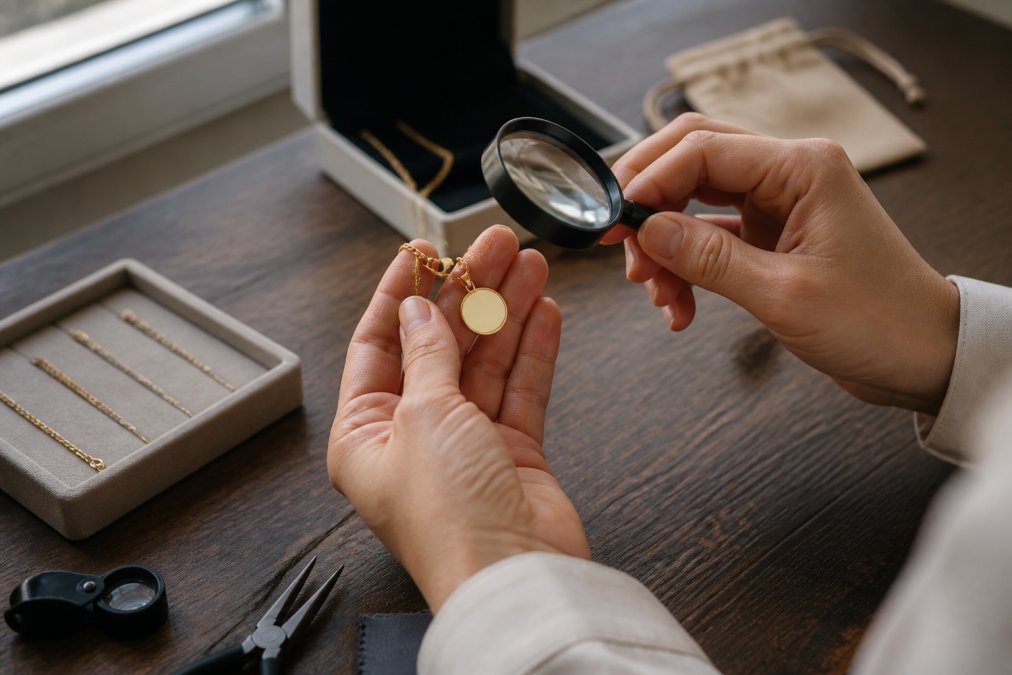
Engraving Depth and Clarity
Examine engraving samples or product photos closely. High-quality engraving creates a crisp, deeply cut impression that's easily readable from normal viewing distance. Letters should have clean edges without fuzzy or rough borders. Shallow engraving fades visually over time as the metal surface naturally smooths with wear.
Look for consistent engraving depth across all characters. Ask the supplier for close-up photos of engraving on similar completed pieces. If they can't provide samples, that's a red flag. For monograms or names, verify that font size is readable at actual size. Individual letters should be at least 3-4mm tall for comfortable readability.
Clasp Durability and Chain Gauge
The clasp is the most stressed component of any necklace. A weak clasp means the necklace falls off, risking loss. Lobster claw clasps tend to be more durable for daily wear than spring ring clasps because they have a larger, stronger closing mechanism.
Chain gauge refers to link thickness. Thicker chains are more durable than delicate ones. For regular wear, look for chains in the 1.5mm to 2.5mm range. Anything thinner than 1.5mm is fragile and prone to breaking. Check product specifications for chain gauge measurements. If the supplier doesn't list this, it's a warning sign.
The clasp should click firmly into place and require deliberate pressure to open. A clasp that feels loose or opens too easily will fail quickly.
Signs of Cheap Jewelry Quality You Should Avoid
Recognizing hallmarks of low-quality jewelry helps you filter out unsuitable options before spending money.
Discoloration or visible tarnish on product photos is an immediate warning. If the supplier's photos show oxidization or dull, patchy coloring, the piece likely hasn't been properly finished or stored.
Excessive weight for the size may indicate cheap base metal with thin gold coating. Solid gold and sterling silver have predictable weights. Anything disproportionate suggests inferior materials.
Rough or unfinished edges on the pendant or chain are disqualifying. Quality jewelry has smooth, polished edges. Rough spots indicate rushed manufacturing or poor quality control.
Unclear material descriptions like "gold-tone," "antique finish," or "plated" without specifying plating thickness or base metal are deliberately vague. Legitimate suppliers specify exact metal composition and plating thickness.
Clasps that feel cheap or plastic-like are another warning. The clasp should feel substantial and metallic.
How to Verify Supplier Reputation and Authenticity
Before ordering a personalized necklace gift, verify that the supplier is legitimate and has a track record of quality work.
Reading Customer Reviews and Real Photos
Customer reviews are your window into actual quality. Look for reviews with specific details: mentions of engraving clarity, metal durability, clasp function, and delivery timeline. Real customer photos are more valuable than supplier photos. Suppliers control their photography to present products optimally.
Check the review platform itself. Reviews on third-party platforms like Trustpilot's jewelry category are more trustworthy than supplier websites, which verify that reviewers actually purchased the item.
Count the volume and consistency of reviews. A supplier with hundreds of reviews spanning multiple years demonstrates sustained quality. Look for patterns in negative reviews, if multiple customers report the same problem, that's a genuine quality issue.
Checking for Authenticity Certificates
For solid gold or higher-end personalized necklaces, ask whether the supplier provides an authenticity certificate or hallmark documentation. Legitimate suppliers of solid gold jewelry include certification specifying the gold karat and confirming material composition.
Hallmarks are tiny stamps on the metal indicating karat weight or purity. Sterling silver should bear a "925" or "Sterling" mark. 14K gold should show "14K" or "585." If a piece claims to be solid gold but has no hallmark, that's a red flag.
For gold vermeil, ask about plating thickness and whether the sterling silver base is hallmarked.
How to Clean Personalized Jewelry and Maintain Its Quality
Proper maintenance extends your personalized necklace gift's life and keeps the engraving visible and beautiful.
Sterling silver and vermeil should be stored in a dry environment away from moisture and humidity. Store the necklace in a small ziplock bag or jewelry pouch to minimize air exposure. When tarnish appears, use a soft silver polishing cloth or mild dish soap and warm water. Avoid harsh scrubbing, which can damage engraving. For vermeil, never use harsh chemical cleaners.
Solid gold requires minimal maintenance. It doesn't tarnish, so storage is less critical. Occasional cleaning with mild soap and warm water keeps it fresh.
Avoid exposing any personalized necklace to chlorine, salt water, or harsh chemicals. Remove the necklace before swimming, showering with chlorinated water, or applying lotions and perfumes.
Post-Purchase Inspection Checklist
When your personalized necklace gift arrives, conduct a systematic inspection before presenting it or wearing it.
| Inspection Item | What to Check | Action if Issue Found |
|---|---|---|
| Engraving | Depth, clarity, consistent lettering | Contact supplier for replacement if shallow or unclear |
| Clasp | Smooth operation, secure closure, no cracks | Test multiple times; request exchange if loose |
| Chain | No bent links, smooth surface, consistent gauge | Inspect under magnification; report breaks immediately |
| Metal Finish | No discoloration, tarnish, or rough spots | Request replacement if finish is compromised |
| Weight | Feels substantial and appropriate for size | Report if unusually light or heavy |
| Hallmark | Present and legible (for gold or silver claims) | Verify mark matches claimed material |
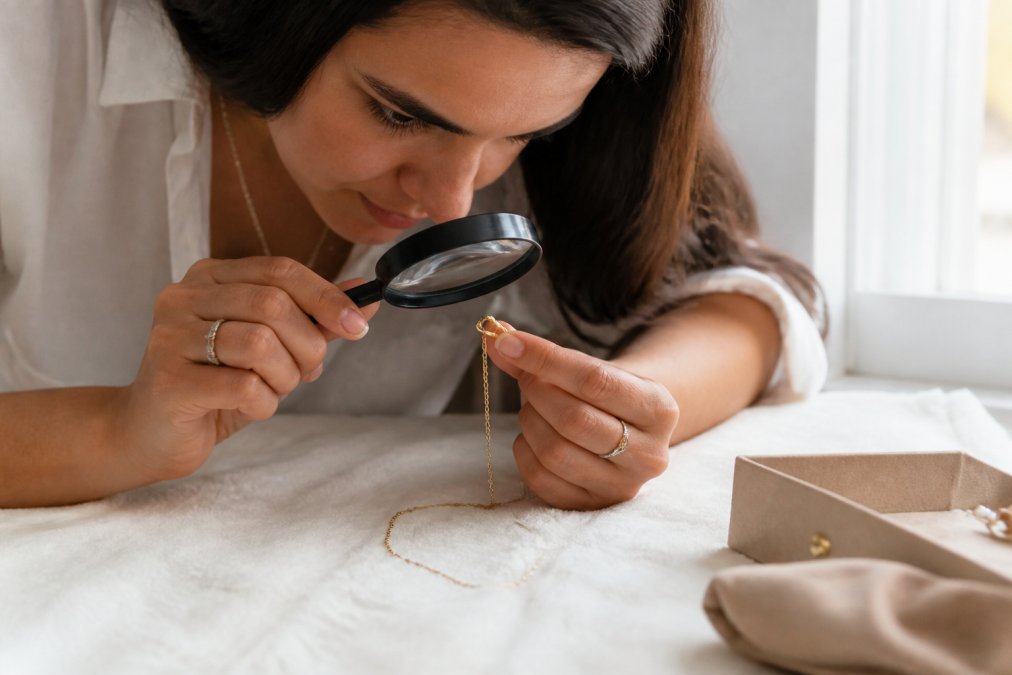
Open the package in good lighting and lay the necklace on a soft surface. Examine the engraving with a magnifying lens. Run your finger gently along the chain and clasp to feel for rough edges or imperfections.
Test the clasp by opening and closing it several times. It should operate smoothly without resistance or excessive looseness. Take close-up photos in natural light as a baseline reference.
If you discover defects, contact the supplier immediately with photos. Legitimate suppliers will replace defective items or offer refunds.
Choosing a personalized necklace gift requires balancing sentiment with substance. The emotional meaning of your gift depends partly on its physical integrity. By verifying metal quality, inspecting craftsmanship details, and checking supplier reputation, you ensure that your gift will be worn and treasured for years.
Thread & Flame Co specializes in meaningful necklace gifts that combine beautiful personalization with genuine durability. Our custom message card jewelry celebrates the people you love most, your daughters, wives, moms, and grandmothers. When you're ready to find a personalized necklace gift that will truly last, explore Thread & Flame Co's quality standards and customer reviews to see how other gift-givers have created lasting memories. Choose a piece that reflects both your love and your commitment to quality.
Frequently Asked Questions
How can you tell if a personalized necklace is high quality?
Check the engraving depth and clarity, shallow or blurry engravings indicate poor craftsmanship. Inspect the clasp for smooth operation and solid construction. Examine the chain for consistent links and proper gauge thickness. Verify the metal type matches the product description, and look for hallmarks indicating sterling silver or karat gold. Request customer photos from the supplier to see real examples of finished work before ordering.
What metals are best for long-lasting personalized necklaces?
Sterling silver (925 hallmark) and solid gold (10K or higher karat) offer excellent durability for daily wear. Gold vermeil provides a beautiful gold appearance over sterling silver with good tarnish resistance when properly maintained. Avoid thin gold plating under 2.5 microns, as it wears quickly. For personalized pieces, choose metals that resist oxidization and won't discolor engraved areas. Consider nickel-free options if the wearer has sensitive skin.
What are the signs of poor craftsmanship in engraved jewelry?
Poor engraving shows uneven depth, rough edges, or letters that aren't aligned straight. Cheap jewelry often has visible seams, loose components, or inconsistent plating thickness. Check for tarnish spots on supposedly high-quality metals, rough soldering joints, and clasps that don't function smoothly. Monogram or bespoke designs should have crisp, clean lines without smudging. If customer reviews mention fading engravings or discolored metal within months, that's a red flag for low-quality materials.
How do I know if a custom jewelry website is reputable?
Look for detailed customer reviews with real photos of finished necklaces, not just written testimonials. Reputable suppliers display authenticity certificates, provide clear metal specifications (sterling silver hallmarks, karat weight), and explain their craftsmanship process. Check their return and warranty policies, legitimate jewelers stand behind their work. Verify they use nickel-free metals and provide care instructions. Avoid sites with vague product descriptions, missing customer photos, or no contact information. Read reviews on independent platforms, not just their own website.
This article was written using GrandRanker